Travel keeps reinventing itself, and late 2025 is proving to be a particularly exciting moment. Around the world, ambitious new attractions and cultural spaces are opening their doors, while long‑awaited projects are finally welcoming visitors. For travelers planning 2026 trips, these openings are more than just headlines – they can define an entire itinerary.
From Abu Dhabi’s colossal new natural history museum to a record‑breaking Six Flags park rising outside Riyadh, here are five of the most interesting recent and imminent openings, why they matter, and how to weave them into a future journey.
1. Natural History Museum Abu Dhabi – a new giant in the desert
Abu Dhabi has quietly been building one of the world’s most compelling cultural districts, and in late 2025 it added its most ambitious project yet: the Natural History Museum Abu Dhabi, which officially opened to the public on November 22, 2025. Located in the Saadiyat Cultural District alongside Louvre Abu Dhabi, the museum instantly became the largest natural history institution in the Middle East, housed in a striking 35,000‑square‑meter building designed by Dutch architecture firm Mecanoo.

Inside, the museum traces 13.8 billion years of history, from the Big Bang to scenarios for Earth’s future, in a continuous narrative that feels more cinematic than textbook. Vast galleries explore themes such as The Story of Earth, The Evolving World, Our World, Resilient Planet, and Earth’s Future, blending traditional fossil displays with immersive media and dramatic lighting. A research‑grade science facility sits at the heart of the institution, supporting work in zoology, palaeontology, geology, marine biology, and even ancient DNA, underscoring that this is not just a tourist attraction but a serious scientific hub.
The showstoppers, however, are the dinosaurs. The main atrium stages a world‑first display: five towering sauropods arranged in a dynamic, almost choreography‑like formation, alongside another spectacular scene of two Tyrannosauruses locked in battle over a Triceratops. These centerpiece skeletons are surrounded by exhibits that spotlight the Arabian Peninsula’s own fossil record, including life‑size reconstructions of prehistoric animals that once roamed what is now the United Arab Emirates.
For travelers, the museum makes Abu Dhabi an even stronger base for a culture‑focused stopover or a dedicated city break. Saadiyat Island now offers an unusually dense cluster of world‑class institutions within a short drive of the city’s beach resorts, so it is easy to pair a day with sauropods and T. rexes with an afternoon of art at Louvre Abu Dhabi or a sunset swim.
2. Six Flags Qiddiya City – the record‑breaking new mega‑park in Saudi Arabia
While Abu Dhabi doubles down on culture, Saudi Arabia is racing ahead with large‑scale entertainment projects, and the most eye‑catching of all is Six Flags Qiddiya City. After several delays, officials confirmed in November 2025 that the park will finally open on December 31, 2025, on the outskirts of Riyadh. Built on a vast 320,000‑square‑meter site within the new Qiddiya City development, the park is operated by Six Flags Entertainment Corporation and has been billed as a cornerstone of Saudi Arabia’s plans to become a major tourism destination.
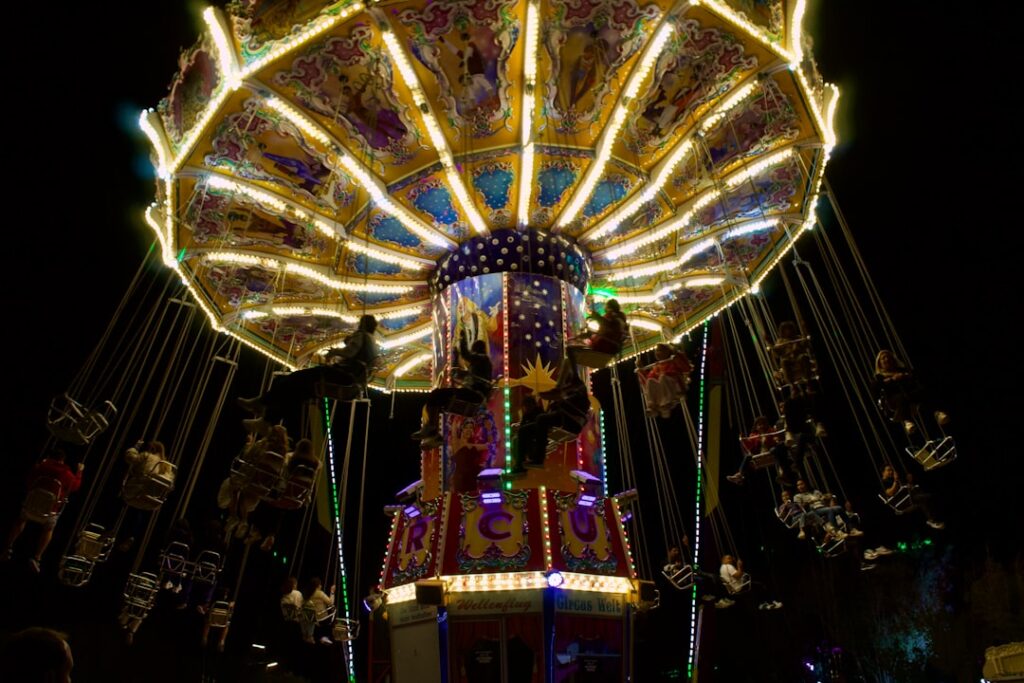
The numbers are significant: by opening day, Six Flags Qiddiya City is set to feature 28 rides, including eight roller coasters and five water rides, organized into themed lands such as City of Thrills, Steam Town, Twilight Gardens, Discovery Springs, Valley of Fortune, and Grand Exposition. The emphasis is squarely on high‑octane attractions, with park designers and local backers positioning it as one of the most technologically advanced thrill parks in the world.
Ticket details, announced in November 2025, give a sense of how the park is positioning itself in the region’s travel landscape. Adult tickets start at around US$87 (SAR 325), with children at roughly US$74 (SAR 275), and infants under four admitted free. A full‑day ticket includes unlimited access to all rides and attractions, making it relatively straightforward for international visitors who may be used to complex add‑on systems in other major parks.
For travelers planning 2026 itineraries, the opening firmly puts Riyadh on the map as a family‑friendly stop, rather than simply a business hub or transit point. It pairs naturally with trips that also include the ancient UNESCO‑listed sites of AlUla or coastal breaks on the Red Sea, especially once more international routes into the kingdom mature.
3. Universal Epic Universe, Orlando – a new heavyweight in the theme‑park capital
On the other side of the globe, Orlando gained a new headline attraction earlier in 2025: Universal Epic Universe, which opened on May 22, 2025, as the third theme park in the Universal Orlando Resort. Built as part of a massive 750‑acre development, the park adds 110 acres of new experiences to a destination that already calls itself the theme‑park capital of the world.
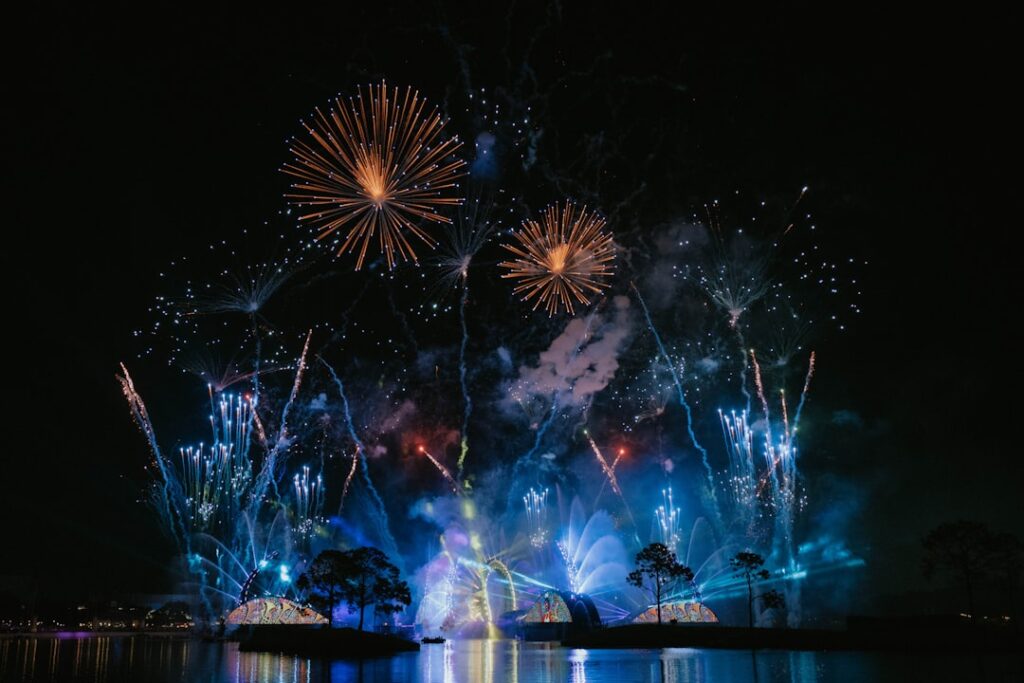
Epic Universe is organized into five distinct areas: Celestial Park at the core, flanked by Dark Universe, How to Train Your Dragon – Isle of Berk, Super Nintendo World, and The Wizarding World of Harry Potter – Ministry of Magic. Each land has its own visual language and soundscape, with Universal leaning hard into cinematic immersion. The park features 16 rides in total, including four roller coasters and a water ride, stitched together with richly themed walkways and restaurants.
Flagship attractions include Harry Potter and the Battle at the Ministry, a motion‑based dark ride set in the halls of the Ministry of Magic, and Monsters Unchained: The Frankenstein Experiment, which anchors the gothic‑horror‑inspired Dark Universe. Thrill‑seekers gravitate to Stardust Racers, a dual‑tracked racing coaster designed for high‑speed dueling runs, while gamers make a beeline for Mario Kart: Bowser’s Challenge, an augmented‑reality dark ride that merges real‑world sets with interactive digital elements.

For travelers who have already “done” Orlando’s older parks, Epic Universe injects a genuine sense of novelty. Its opening has also shifted hotel demand in the city, with new and existing properties in the Universal corridor vying for theme‑park visitors. If you are planning a Florida trip that includes the space coast or the Gulf beaches, consider structuring your stay so that at least one full day is dedicated to Epic Universe. Trying to squeeze it into half a day is not realistic, particularly if you want time to explore both the Ministry of Magic and Super Nintendo World in detail.
4. FENIX Museum of Migration, Rotterdam – a new lens on global journeys
Not all new openings are about thrills and dinosaurs. In Rotterdam, the FENIX Museum of Migration offers a more reflective kind of travel experience. Located in the former Fenix warehouse in the city’s Katendrecht district, the museum opened to the public on May 16, 2025, in a 16,000‑square‑meter industrial building that once handled cargo for the Holland‑America Line.
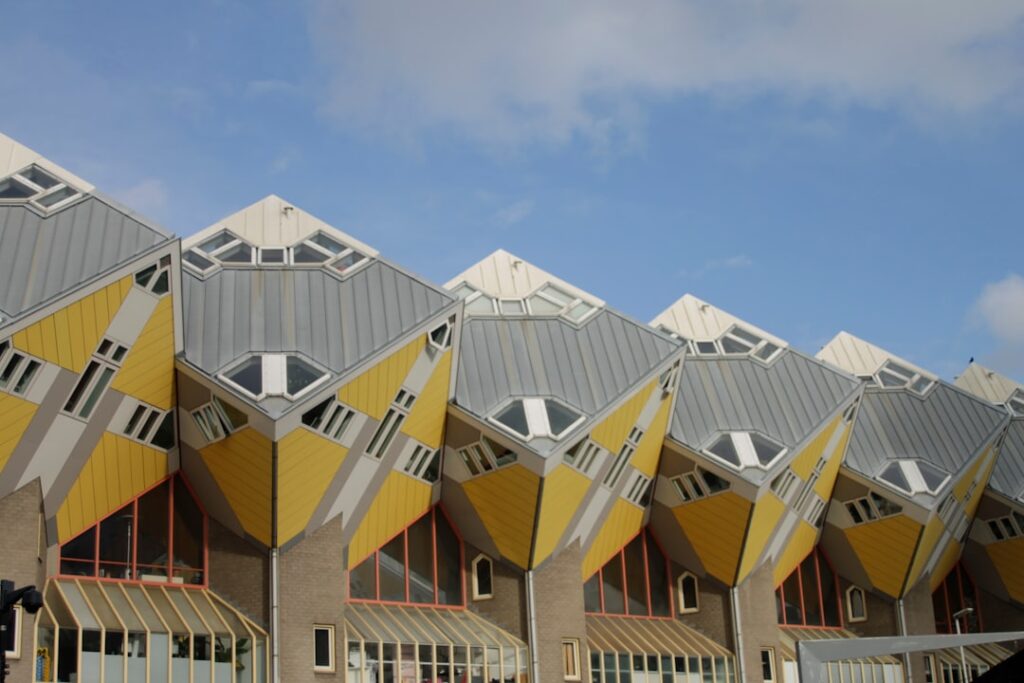
FENIX explores human migration in all directions and across generations, making it as much about contemporary identity as about ship manifests and suitcases. Its inaugural exhibitions include “All Directions: Art That Moves You,” featuring artists such as Francis Alÿs, Cornelia Parker, and Do Ho Suh, and “The Family of Migrants,” a photography show inspired by the famous “Family of Man” exhibition from New York’s Museum of Modern Art, with nearly 200 photographs addressing migration’s personal and political dimensions.
The building itself, redesigned by MAD Architects for their first cultural project in Europe, retains the muscular bones of the 1923 warehouse while weaving in contemporary forms. Its location is not accidental: the Holland‑America Line once used these very docks to move millions of Europeans to North America, so the museum sits literally at a former departure point for transatlantic journeys. By mid‑2025, the museum had already passed the 100,000‑visitor mark within just two months of opening, proof that this blend of architecture, history, and timely storytelling resonates with both locals and international travelers.
For visitors to the Netherlands, FENIX adds another compelling reason to leave Amsterdam for a day and explore Rotterdam’s sharper, more contemporary side. It combines easily with a walk around the city’s modern skyline, a visit to the Markthal, or a harbor tour. If you are tracing your own family’s migration story, the museum’s focus on personal narratives can make the experience especially powerful.
5. Calder Gardens, Philadelphia – a tranquil new home for Alexander Calder
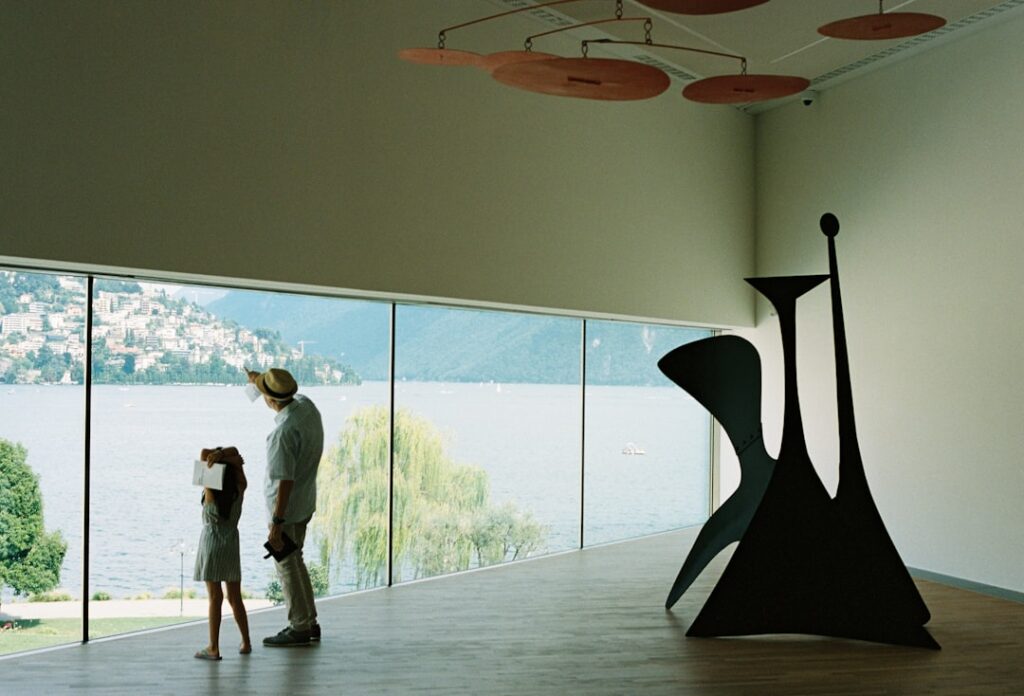
In the United States, one of the most intriguing cultural openings of 2025 is Calder Gardens in Philadelphia, a dedicated haven for the work of sculptor Alexander Calder. Situated on 1.8 acres along the Benjamin Franklin Parkway, the museum and sculpture garden opened in 2025 as a collaborative project between the Calder Foundation and the nearby Barnes Foundation.
Calder Gardens is not a conventional museum with a fixed permanent display. Instead, it draws on the Calder Foundation’s deep holdings and other loans to stage evolving indoor and outdoor installations. Visitors move between intimate galleries and landscaped gardens planted by celebrated designer Piet Oudolf, encountering mobiles and stabiles in settings that shift with the seasons. The building itself, designed by Herzog & de Meuron, is partially tucked into the site, creating a series of sheltered courtyards, terraces, and glazed volumes that frame the sculptures.
The project cost nearly 100 million dollars, reflecting Philadelphia’s belief that Calder – whose family has deep roots in the city – deserves a permanent, high‑profile space. For travelers, Calder Gardens slots seamlessly into a cultural day along the Parkway, which already includes the Barnes Foundation and the Philadelphia Museum of Art. It also suits slower, more contemplative itineraries where time in gardens and galleries is just as important as ticking off major monuments.
How these openings reshape trip planning
Individually, each of these projects serves a different kind of traveler: families seeking thrills in Saudi Arabia or Florida, culture lovers drifting between Saadiyat’s museums, art fans tracing a sculptor’s legacy in Philadelphia, or history‑minded visitors connecting Rotterdam’s harbor to the story of global migration. Taken together, they highlight a broader trend in travel: destinations are competing not only with beaches and skylines, but with distinctive, story‑driven attractions that justify a dedicated trip.
They also invite travelers to pair experiences in new ways. A long‑haul itinerary might combine a layover in Abu Dhabi to explore its new natural history museum before continuing to Europe for Rotterdam’s migration stories. A U.S. city‑hopping trip could now frame Philadelphia not just as a history stop but as a contemporary art hub, bookended by New York or Washington, D.C. Meanwhile, the emergence of Six Flags Qiddiya City gives families planning Gulf itineraries a new anchor point around which to structure holidays that mix ancient desert landscapes with ultra‑modern adrenaline rides.
Conclusion – a world of new reasons to go
Late 2025 is proving that travel is not standing still. As the Natural History Museum Abu Dhabi joins Saadiyat Island’s cultural cluster, Universal’s Epic Universe rewrites the theme‑park rules in Orlando, Six Flags Qiddiya City prepares to open its gates in Saudi Arabia, FENIX reframes Rotterdam’s port as a place for reflection, and Calder Gardens brings a sculptor’s universe to life in Philadelphia, travelers gain a set of compelling, fresh reasons to pack a bag.
If you are planning 2026 adventures, consider building at least one of these new openings into your route. Whether you prefer dinosaurs or mobiles, roller coasters or waterfront warehouses, each of these places captures something essential about why we travel at all: to be surprised, to see the world – and our place in it – from an entirely new angle.