Introduction – Why Palma Belongs On Your Mediterranean Shortlist
Palma de Mallorca is having a moment. After welcoming around 13.4 million visitors to the island in 2024 – a record year for Mallorca as a whole – the capital has shifted firmly into the spotlight as more than just a gateway airport. Travellers are staying longer, spending more and increasingly visiting outside the peak summer months, looking for culture, food and atmosphere rather than just a beach holiday. (hotelagio.com)
Walkable, compact and framed by palm trees and a glittering bay, Palma blends Gothic spires with Mediterranean light, Moorish patios and a seriously good restaurant scene. If you are plotting a first visit, these are the places you simply should not miss.
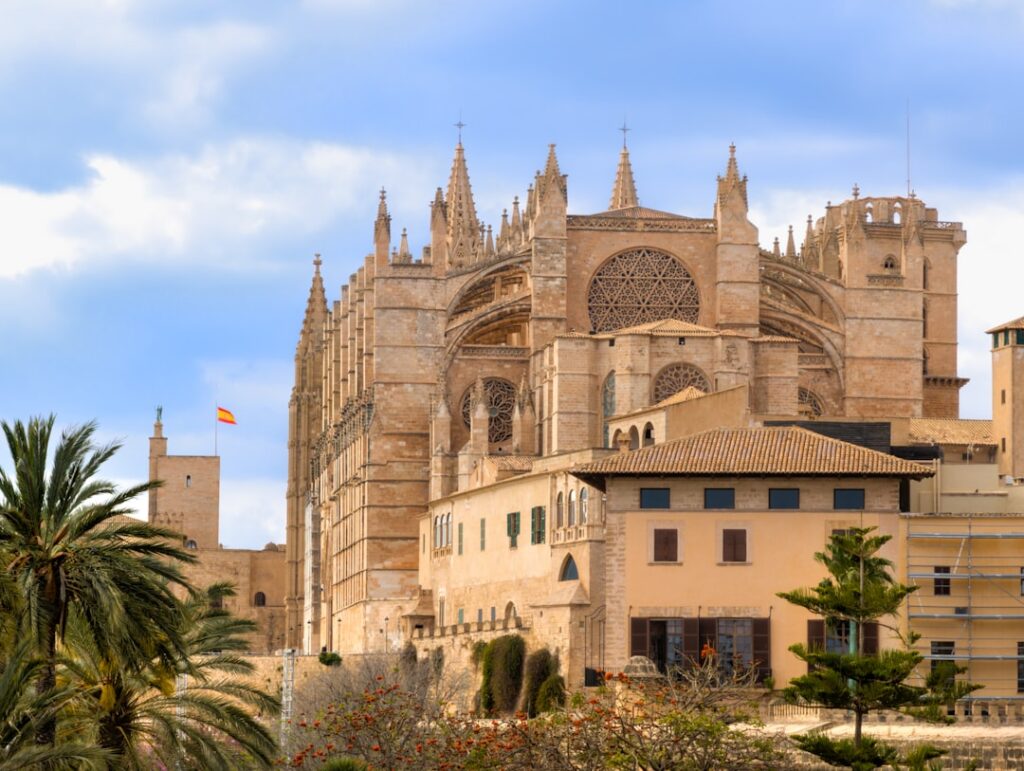
La Seu – The Cathedral That Defines The Skyline
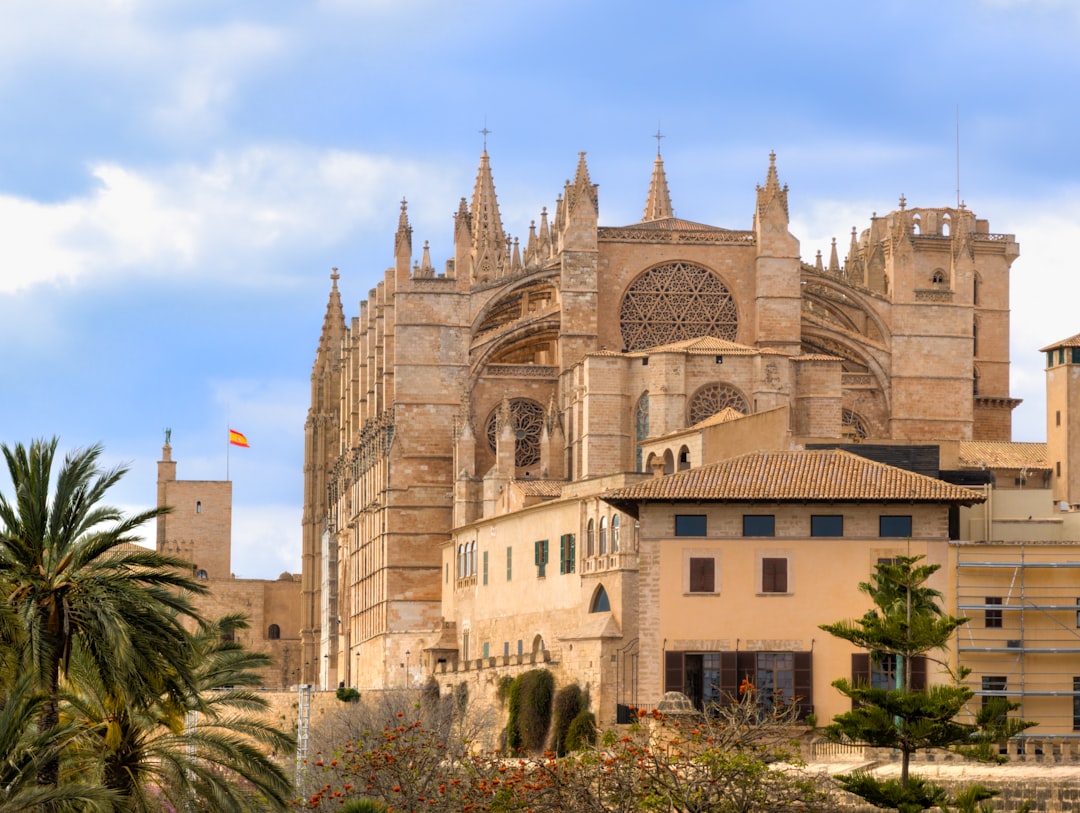
If there is one image that sums up Palma, it is the honey‑colored bulk of the Cathedral of Santa Maria of Palma – known locally as La Seu – rising above the old city walls. Construction began in 1229 and the cathedral was not completed until 1601, which gives you an idea of the ambition behind it. The nave soars to around 44 meters high, making it one of the tallest Gothic naves in the world, while its great rose window, at nearly 14 meters in diameter, is among the largest of its kind. (<a href="https://en.wikipedia.org/wiki/PalmaCathedral?utmsource=openai”>en.wikipedia.org)
Inside, look for the play of Mediterranean light through stained glass and the interventions by Antoni Gaudí, who reworked parts of the interior in the early twentieth century. On certain mornings the sun projects a kaleidoscope of color across the stone pillars – reason enough to set the alarm early rather than rolling up in the middle of the day with the tour groups.
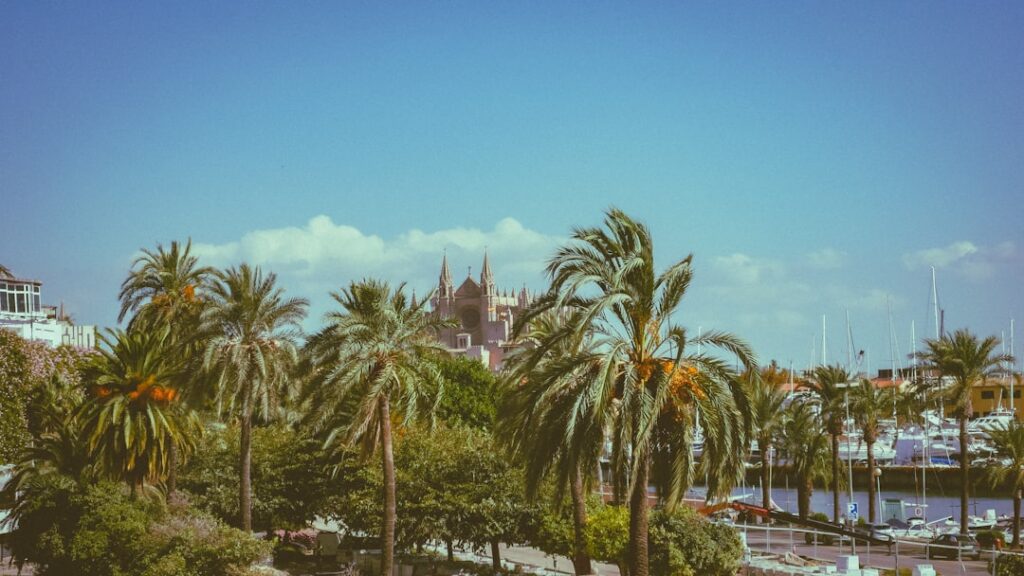
Outside, take your time at Parc de la Mar, the park that spreads out below the cathedral along a saltwater lake. This is where you get the classic postcard view: cathedral, walls and palm trees reflected in the water, with the wide sweep of the bay just beyond.
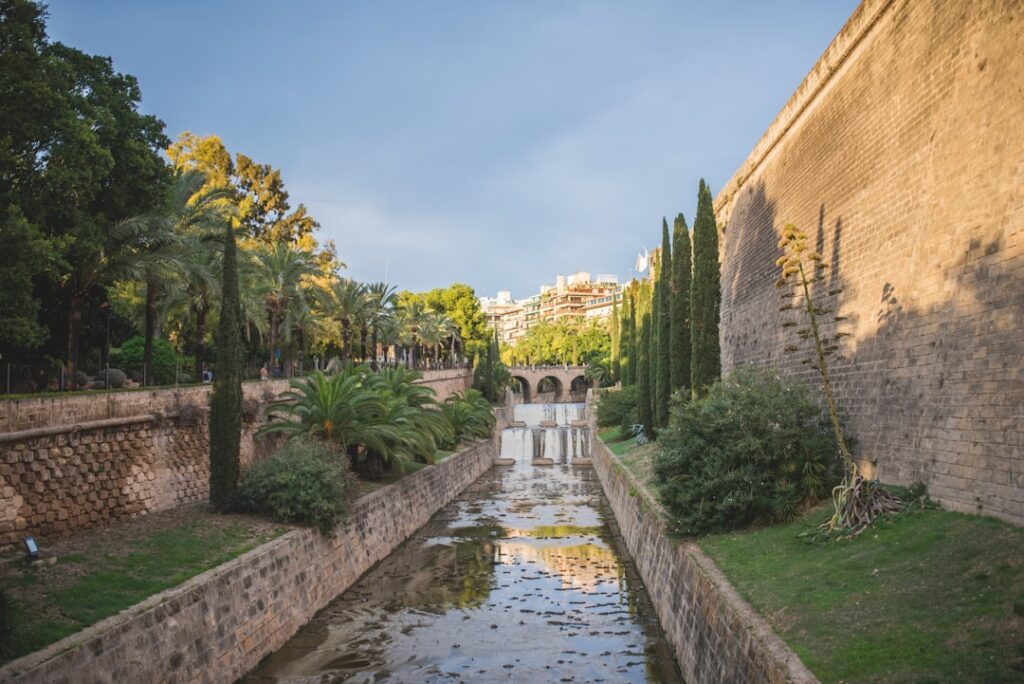
Parc de la Mar And The Waterfront Promenade
From Parc de la Mar you can trace the shoreline on foot. The recently revamped seafront promenade has been redesigned to prioritize walkers and cyclists over through‑traffic, softening what was once a busy road into a more pleasant place to stroll between the marina and the old town. The palm‑lined path connects you with viewpoints back toward the cathedral and over the yacht masts of the marina.
Find a bench here in late afternoon, when the stone of the cathedral glows a deeper gold and locals drift past on bicycles. In peak summer, visitor numbers can make central Palma feel intense – at times, Mallorca averages well over a thousand tourists per 100 residents – but this broad stretch of waterfront still offers breathing space and sea air even on busy days. (hotelagio.com)
If you are staying nearby, this promenade makes an easy orientation walk on your first evening, helping you map out how close Palma’s main landmarks are to one another.
The Royal Palace Of La Almudaina
Right beside the cathedral sits the Royal Palace of La Almudaina, a fortified residence that layers Islamic and Christian history in its stone walls. Originally an Islamic alcázar, it was reshaped after the Christian conquest into a royal palace, and today it remains an official residence used by Spain’s royal family on ceremonial occasions.
Inside, you wander through state rooms hung with tapestries, courtyards that frame slivers of sea and a small chapel decorated in Gothic style. The mix of Moorish arches and later additions makes it one of Palma’s most atmospheric interiors, especially on quieter afternoons when the crowds thin and the echo of footsteps in the halls feels almost cinematic.
When you step back outside, pause on the ramparts and terraces overlooking Parc de la Mar and the port. This edge of the old town, where palace, cathedral and sea meet, is the most dramatic place to grasp how closely Palma’s history has always been tied to its harbor.
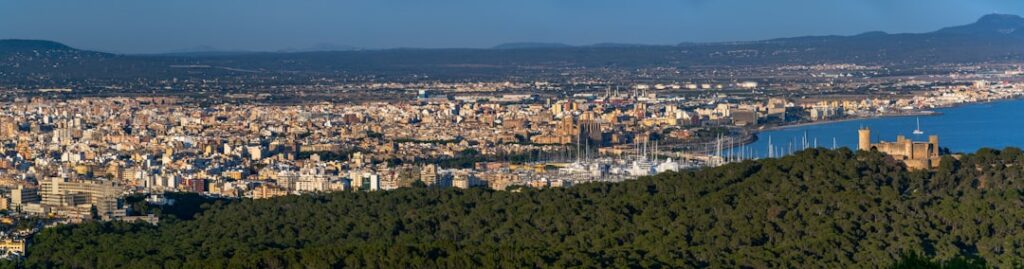
Bellver Castle – Views Over The Bay And Pine Forests
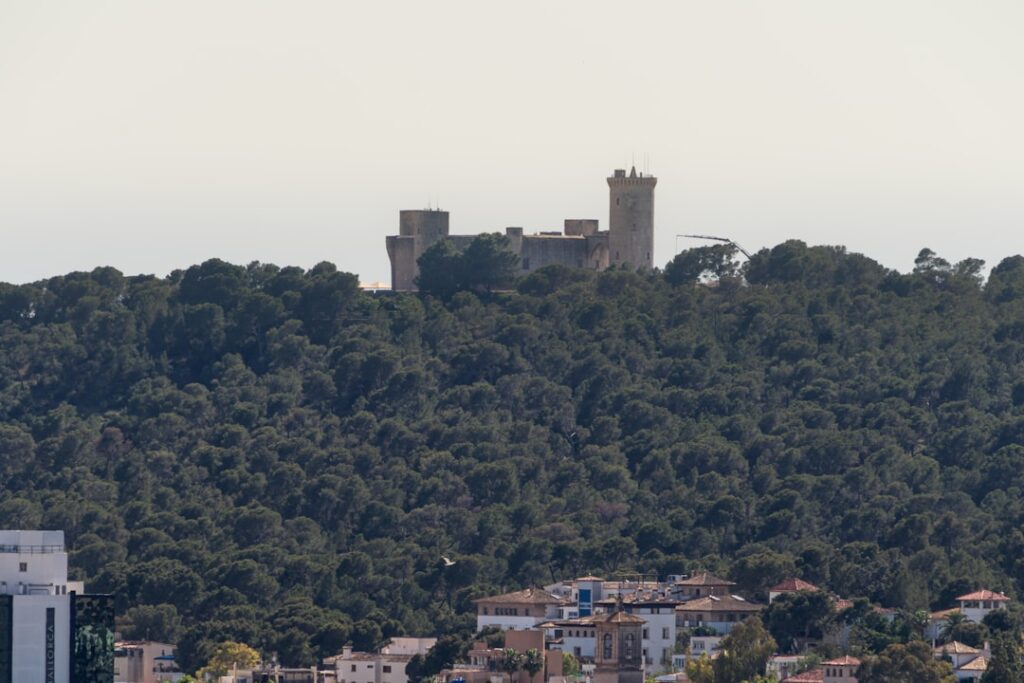
Climb – or more realistically, taxi – up to Bellver Castle and you will understand the city’s layout at a glance. Perched on a wooded hill just west of the center, Bellver is one of Europe’s few circular castles, dating from the fourteenth century. From its roof and ramparts you get a 360‑degree panorama: the bay of Palma curving away, the serrated line of the Tramuntana mountains on the horizon and the compact grid of the old town around La Seu below. (idealista.com)
The castle includes a small city history museum, but the real reason to come is the vantage point and the setting in a pine forest. Many visitors opt to ride up and then walk down through the pines into the city, a relaxed descent that leads you eventually to the Paseo Marítimo. Try to time your visit for late afternoon or golden hour, when the light softens and the sea shifts from hard blue to silver.
In summer, this is one of the few places where you can find real shade and breeze together. It is especially rewarding in the shoulder seasons – late spring and early autumn – when the island now welcomes a growing number of visitors keen to avoid peak heat yet still enjoy long evenings outside. (travelandtourworld.com)
The Old Town – Lanes, Patios And Palaces
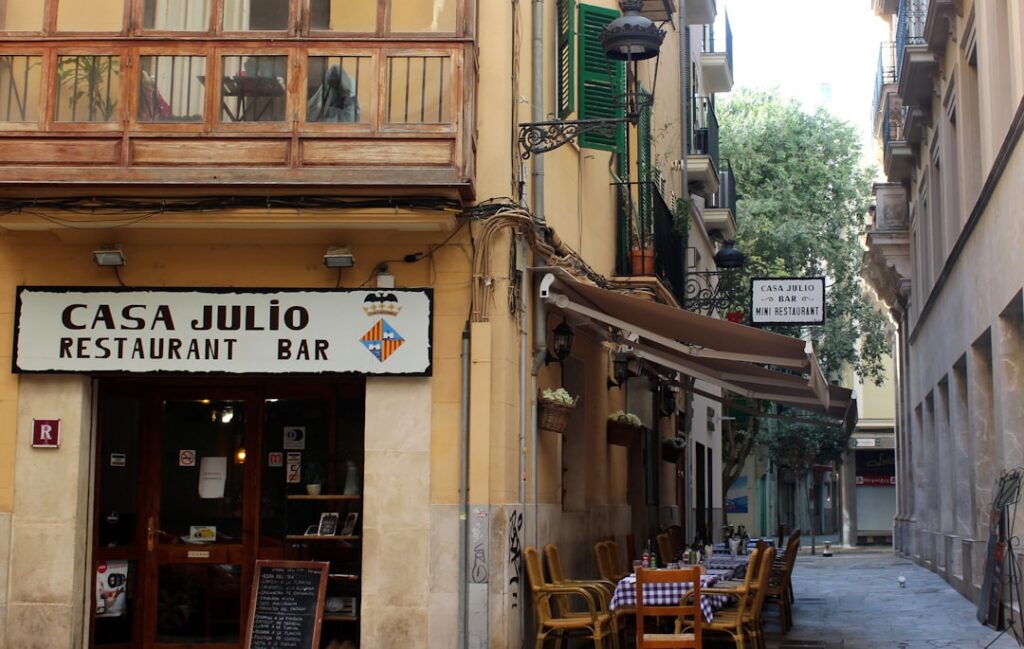
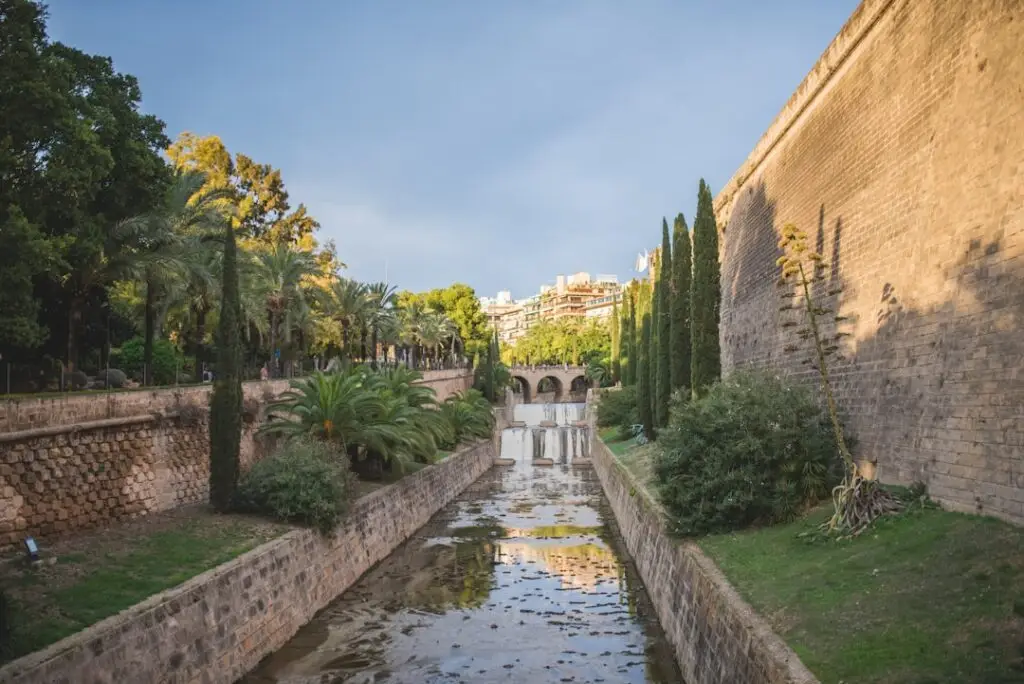
Back at sea level, the old town of Palma is made to be walked slowly. Slip away from the main avenues and you enter a network of quiet lanes lined with golden stone townhouses, green shutters and old wooden doors hiding cool interior patios. Many of these courtyards belong to former noble palaces that have been converted into apartments or small hotels, part of a wider shift that has transformed over a hundred historic buildings into hospitality venues in recent decades. (thetimes.com)
Start around Plaça de Cort, where the town hall faces an ancient olive tree, then wander toward Plaça Mayor. Along the way, look up at wrought‑iron balconies and the occasional Modernista facade – traces of early twentieth‑century prosperity. Step into any open church you pass; many are surprisingly elaborate inside and offer a quiet counterpoint to the lively streets.
For a sense of Palma’s more fragile heritage, keep an eye out for Can Vivot, one of the last great palaces still used as a private home rather than a hotel or event space. Its future has become a touchstone in local debates about overtourism and preservation, reminding visitors that the city’s beauty is not guaranteed – it depends on decisions being made right now. (thetimes.com)
La Lonja And The Seafaring Quarter
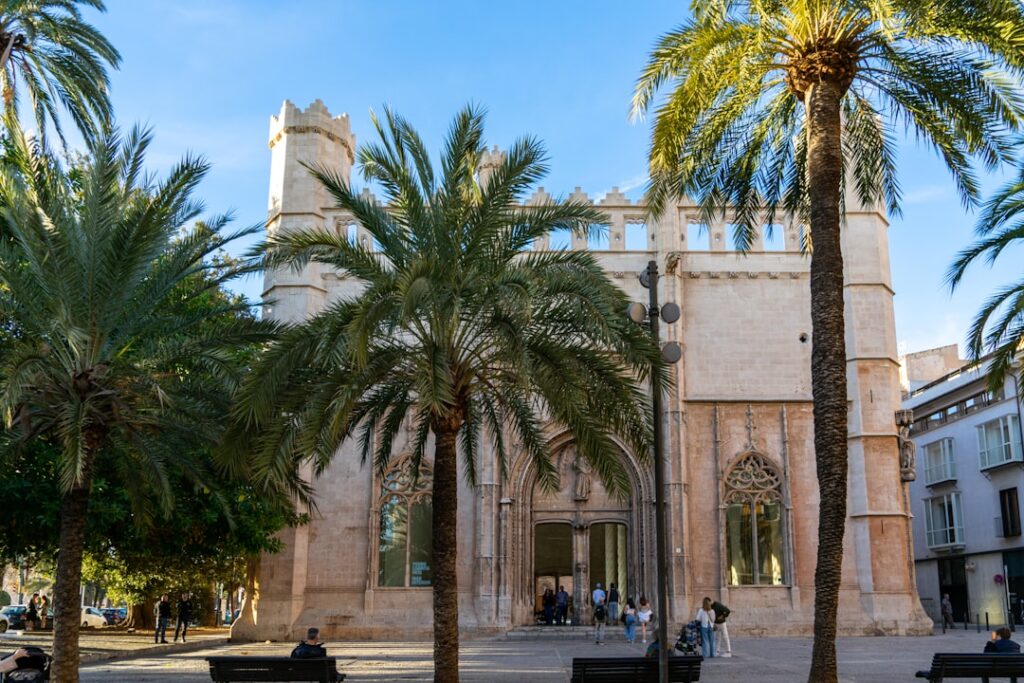
Drift southwest from the cathedral and you reach La Lonja, a Gothic merchant’s hall that once hosted Palma’s maritime trade. From the outside, its compact form is easy to miss; step inside, though, and you find a soaring stone space where palm‑trunk columns branch into a delicate vaulted ceiling. On many days it is free to enter, especially when art exhibitions are taking place, and it offers a cool, echoing break from the sun. (idealista.com)
Around La Lonja, the surrounding streets form one of Palma’s liveliest evening quarters. Here, wine bars, small galleries and restaurants spill onto pavements, blending visitors and locals in a hum of terrace chatter late into the night. Because Palma’s tourism has become more year‑round – with visitors now coming steadily in spring and autumn – this area stays animated outside the classic July–August window, giving you a genuine city‑break feel beyond high season. (hotelagio.com)
For a short walk with sea views, follow Passeig de Sagrera from La Lonja along the waterfront toward the marina. Sculptures and occasional pop‑up events line this stretch in warmer months, while the palm trees offer a hint of shade even in the midday glare.
Santa Catalina – Market Life And Neighborhood Energy
Cross the main avenues heading northwest and you come to Santa Catalina, once a traditional fishermen’s district and now very much Palma’s on‑trend neighborhood. At its heart is Mercat de Santa Catalina, a covered market filled with fishmongers, produce stalls and counters where locals stand shoulder‑to‑shoulder over plates of grilled seafood and pintxos. Mornings are the best time to feel the rhythm – by early afternoon, shutters start sliding down. (idealista.com)
Around the market, grid‑like streets are lined with cafes, brunch spots and small restaurants that reflect Palma’s increasingly international visitor mix, from Scandinavian bakeries to natural wine bars. This is one of the clearest signs of how the city has evolved from a summer package destination into a year‑round place for city‑minded travellers, including a growing number from North America who now fly in via improved connections through mainland hubs. (amp.majorcadailybulletin.com)
In the evenings, Santa Catalina’s terraces fill up with a mix of locals, seasonal workers and visitors lingering over vermut or local wine, the buzz continuing long after the cruise‑ship crowds have gone back to their cabins.
Mercat de l’Olivar – Tapas And Everyday Palma
If Santa Catalina is Palma’s neighborhood market, Mercat de l’Olivar near Plaça d’Espanya is its grand central hall. Under its lofty roof you will find rows of produce vendors, cheesemongers and butchers, flanked by seafood bars and tapas counters where you can grab a stool for a quick lunch. Arrive by mid‑morning to catch the full spectacle of local life – by early afternoon, some stalls close and the energy drops. (idealista.com)
This is a good place to taste Mallorcan specialties: slices of sobrasada, the island’s paprika‑rich cured sausage; wedges of local cheese; and sweet, spiral ensaïmadas dusted with sugar. With visitor spending on the island now averaging more than two hundred euros per day in peak months, many vendors have adapted with tasting menus and neatly packaged selections to take away, but the essentials remain wonderfully simple: fresh ingredients, prepared with minimal fuss. (hotelagio.com)
Pick up picnic supplies here before heading to the beach or into the hills, or simply treat it as a long, grazing lunch, moving from one counter to the next with a glass of chilled local white.
Cultural Palma – Museums, Art And A Reborn Iconic Hotel
Beyond its headline monuments, Palma has quietly built a serious cultural offering. Several contemporary art spaces and smaller museums are tucked into old town houses, and temporary exhibitions are increasingly timed to attract the growing off‑season crowd of visitors. This year‑round focus reflects a broader island strategy: slightly fewer people, but more cultural depth and higher per‑person spending, which many in the local tourism industry now view as the more sustainable path. (travelandtourworld.com)
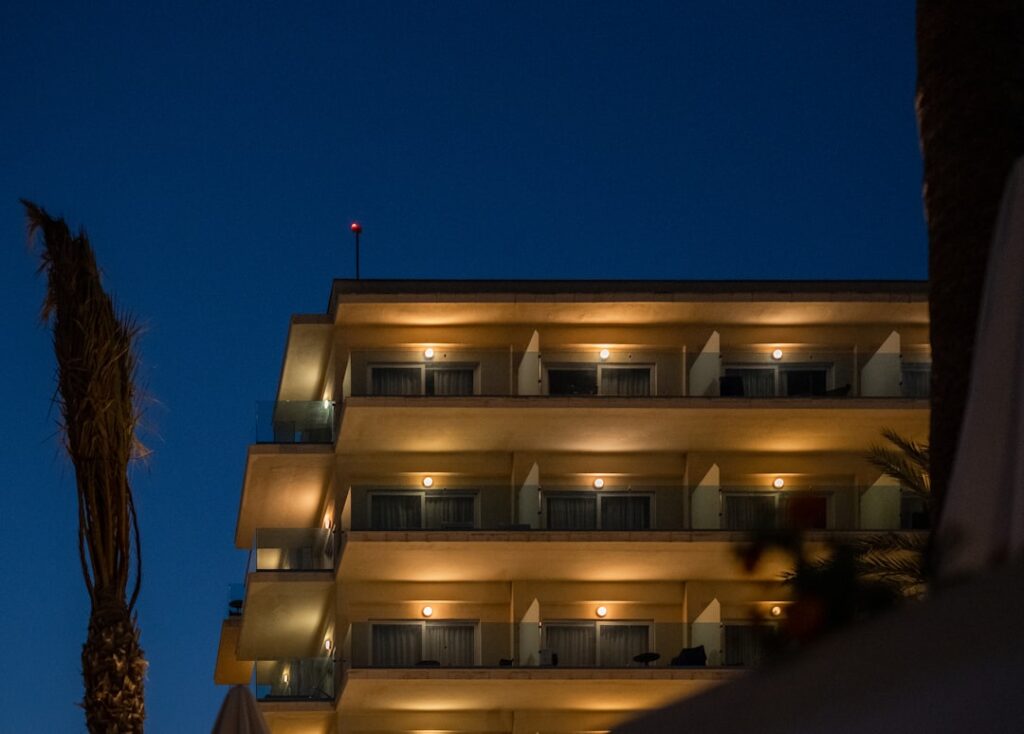
One of the most visible signs of Palma’s renewed confidence is the rebirth of the Hotel Victoria Gran Meliá on the Paseo Marítimo. Originally opened in the 1920s and long a symbol of the city’s glamorous social life, it reopened on 31 March 2025 after a meticulous renovation that cost around 12 million euros. The revamped hotel now offers 171 contemporary rooms with views of the harbor and cathedral, as well as a new Victoria Grand Café and a cultural program tied to local institutions and festivals. (cadenaser.com)
Even if you are not staying there, it is worth dropping by for a drink on the terrace to take in one of the finest postcard views in the city – especially in the early evening, when the yacht lights flicker on in the marina and the cathedral glows on its hill.
Beaches And Seafront Neighborhoods Close To The Center
While many visitors branch out to coves around the rest of Mallorca, you do not have to travel far from central Palma to find sand and sea. To the east, the long strand of Playa de Palma stretches for kilometers, backed by a promenade of bars and hotels. In recent years, local authorities and hoteliers here have worked to move the area away from its party‑heavy past toward a more quality‑focused offer, part of a wider Balearic trend that favors fewer, higher‑spending visitors and improved services. (travelandtourworld.com)
Closer still to the center lies the neighborhood of Portixol, a former fishing district that has become a favorite for relaxed seaside walks and lunches by the water. The low‑rise seafront is lined with restaurants and cafes, and on sunny weekends you will see families, joggers and cyclists all sharing the promenade. For a quick swim without leaving the city orbit, this is a practical and charming choice.
To the west, smaller urban beaches and rocky platforms offer spots to dip into clear water with views back toward Palma’s skyline. These are especially atmospheric outside peak summer when the sun is lower and locals reclaim the shoreline for themselves.
Practical Perspective – When To Go And How Palma Is Changing
Mallorca’s tourism figures show that while the island handled record visitor numbers in 2024 and very high occupancy rates in summer 2025, the trend now is toward slightly fewer visitors spending more, particularly on better accommodation and food. In June 2025, average daily tourist spending on the island hovered around 218 euros, and July hotel occupancy was still close to 89 percent – high enough that you will feel the buzz, but with a little more breathing room than during the previous year’s peak. (hotelagio.com)
For Palma, this shift is most noticeable in spring and autumn, which have become prime times to visit: warm weather, open beaches, more manageable crowds and a full cultural calendar. Winter weekends, too, now see a healthy influx of city‑break travellers, with dozens of hotels staying open year‑round in nearby municipalities. That keeps restaurants, markets and bars lively, even when the island’s coves are quiet. (calvia.com)
Whenever you come, the same advice applies: treat Palma not just as a pit‑stop on the way to the resorts, but as a proper city worth at least a couple of concentrated days.
Conclusion – A Compact City With Big‑City Layers
Palma de Mallorca rewards slow exploration. In a compact area you move between Gothic architecture and Moorish echoes, working markets and fashionable cafes, hilltop castles and broad seaside promenades. Visitor numbers may be at record highs for the island, but the city is increasingly learning how to channel them toward more sustainable, quality‑driven experiences – from carefully restored hotels to cultural programming that stretches beyond the summer. (hotelagio.com)
For a first‑time visitor, the essentials are clear: gaze up at La Seu’s rose window, circle Bellver Castle’s ramparts, lose yourself in the lanes of the old town, share tapas at the markets and watch the light change on the bay from a waterfront terrace. With that short list alone, you will leave Palma already planning how to come back.